
(Photo: Psychologist observing little boy playing in autism treatment center | Shutterstock)
Families considering stem cell procedures for autism often receive different answers about age and health eligibility. The stem cell therapy medical requirements used in a research study may differ from those applied by a private provider. These differences matter because a screening decision says little about whether an intervention works.
Understanding stem cell therapy medical requirements can help parents ask better questions, but stem cell interventions have not been established as effective treatments for autism.
Families searching online for stem cell therapy for an autistic child may encounter information from Swiss Medica, but provider screening criteria should be reviewed with an independent clinician.
What Are the Age Requirements for Stem Cell Therapy in Autism Treatment?
Age limits vary because research trials define age groups to study specific populations and produce interpretable results. Private providers may set different age policies.
A clinic accepting a wider age range does not show that the treatment works or that a child would qualify for a formal research study.
So, before proceeding, ask the medical team for their exact age parameters, the scientific rationale behind them, and how they handle parental consent.
What Medical Conditions and Health Factors Affect Eligibility for Stem Cell Therapy?
Every child’s health history is different, and it often decides whether they can join a stem cell study. Researchers look closely at a child’s past diagnoses, treatments and current health before deciding who is a good fit. They do it mainly to keep children as safe as possible.
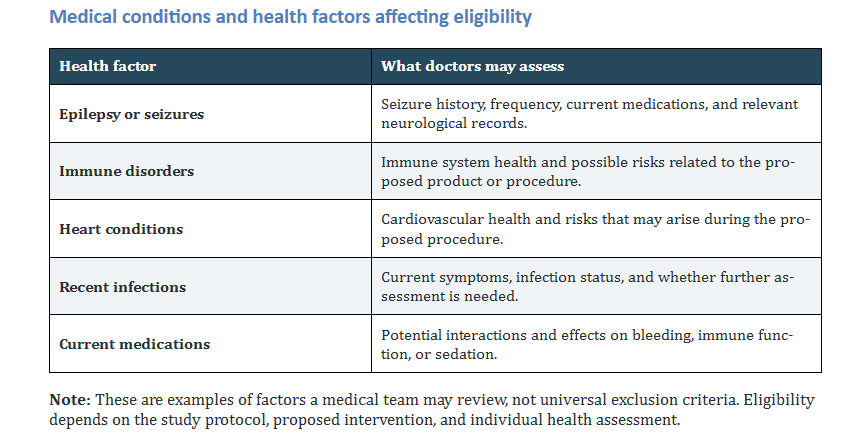
For example, a child with epilepsy may need updated neurological records before screening. Do not change your child’s prescribed medication without first consulting their doctor.
What Medical Assessments Are Required Before Stem Cell Therapy?
Don’t expect a universal checklist. The exact tests your child needs depend entirely on the specific procedure or study protocol they are entering. Initial screening often includes a medical records review, a physical exam, a medication review, and a discussion of current symptoms.
The medical team will then look at specific individual risks:
- Physical baselines: Current vitals, height and weight, plus existing reports from your child’s specialists.
- Lab tests: Depending on the procedures, blood tests or infection-level screening may be requested.
- Past medical history: The doctors will want to know about any earlier allergies, anaesthesia issues, or other unexpected health issues.
- Post-procedure planning: Request a post-monitoring plan for your child, and what to do if side effects show up at home.
Before signing consent forms, ask who will interpret the results, which results would rule your child out, and if the clinic will keep your paediatrician informed on the findings. It’s also worth asking whether the screening is part of a registered study or a commercial service. Oversight and consent procedures can look quite different.
What Factors Could Make Someone Ineligible for an Autism Stem Cell Therapy Study?
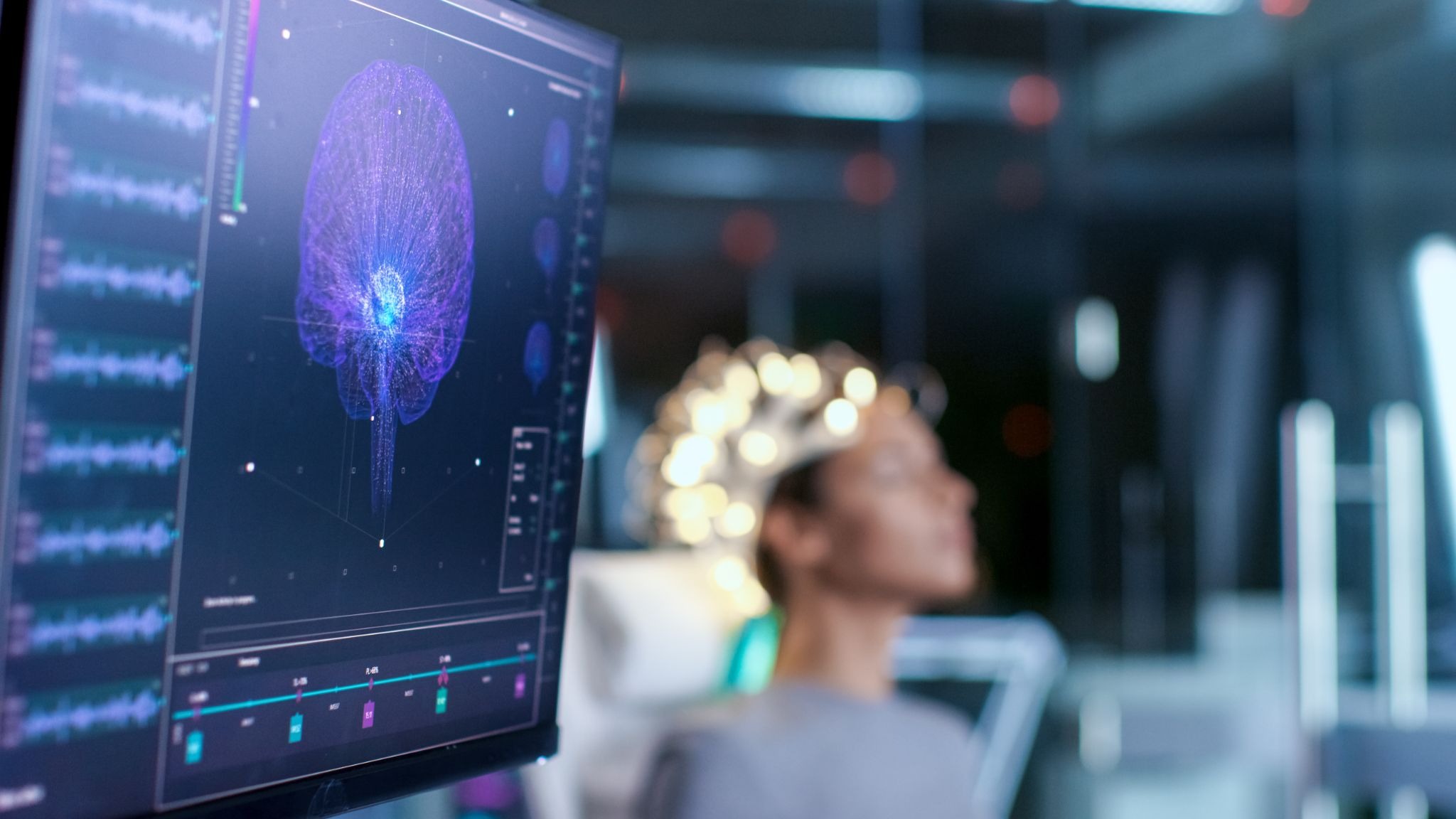
(Photo: Brain waves – EEG – brain activity illustration | Shutterstock)
The autism clinical trial inclusion criteria spell out who a study is built to enroll. Exclusion criteria work the other way. They protect participants and keep results easier to interpret. Depending on the protocol, that could mean an active serious infection, an unstable medical illness, medicines that interfere with the study, or being unable to make follow-up visits.
Rules differ from study to study, so someone who can’t join one may still qualify for another. The ClinicalTrials.gov guide to clinical studies is a good place to see how eligibility works. Joining a study doesn’t mean the intervention has been shown to be safe or effective, though. Researchers may also ask families to attend scheduled visits, report any adverse events, and complete assessments.
What Safety Risks Should Families Understand Before Considering Stem Cell Therapy for Autism?
Weighing stem cell treatment risks for autism starts with the details: what’s being given, where the cells came from, and how they’re delivered.
Because the benefits are unproven, it’s also worth thinking about short-term complications. These can include infections from the procedure, unexpected immune reactions, contaminated products, or injuries from the infusion or injection itself.
Regulations vary by country. In the United States, the Food and Drug Administration states that regenerative medicine products haven’t been approved to treat autism. Ask which authorities oversee the clinic, and talk with independent healthcare professionals before you sign anything.
In conclusion
Read the autism clinical trial inclusion criteria carefully, because they can change the age limits and health checks someone has to meet. An individualized medical assessment and a clear account of the risks should come before any decision about an experimental intervention.
If you’ve run into confusing eligibility rules, share the questions you think researchers and providers should answer.