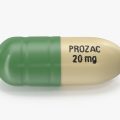

Prozac is an antidepressant, mainly used to treat depression, obsessive-compulsive disorder (bothersome thoughts that won’t go away and the need to perform certain actions over and over), some eating disorders, and panic attacks (sudden, unexpected attacks of extreme fear and worry about these attacks). Prozac first appeared in the U.S. in 1988 and it became one of the most widely prescribed antidepressants in the country. It remains popular, although newer drugs are now available, such as sertraline and citalopram.
Prozac is also used to relieve the symptoms of premenstrual dysphoric disorder, including mood swings, irritability, bloating, and breast tenderness. It is also used along with olanzapine (Zyprexa) to treat depression that did not respond to other medications and episodes of depression in people with bipolar I disorder (manic-depressive disorder; a disease that causes episodes of depression, episodes of mania, and other abnormal moods).
Fluoxetine is in a class of medications called selective serotonin reuptake inhibitors (SSRIs). It works by increasing the amount of serotonin, a natural substance in the brain that helps maintain mental balance.
Also known by its generic name, fluoxetine, Prozac is a selective serotonin reuptake inhibitor (SSRI). Around 1 in 10 people in the United States (U.S.) are thought to use SSRI drugs, and 1 in 4 women in their 40s and 50s.
How should I take Prozac?
Prozac comes as a capsule, a tablet, a delayed-release (releases the medication in the intestine) capsule, and a solution (liquid) to take by mouth. Fluoxetine may be taken with or without food. Fluoxetine capsules, tablets, and liquid are usually taken once a day in the morning or twice a day in the morning and at noon.
The dose of Prozac depends on your age and the indication you’re taking the medication for. Dosage also depends on the age of the patient and the purpose of treatment. Here are some examples of doses.
The normal adult dose for depression starts with 20 milligrams (mg) a day, taken by mouth, in the morning. It can be increased if symptoms do not improve after a few weeks. The maintenance dose is from 20 to 60 mg a day, and the maximum dose is 80 mg a day.
An adult who uses a delayed-release oral capsules to treat depression will take a 90 mg capsule once a week.
Take Prozac at around the same time(s) every day. Follow the directions on your prescription label carefully, and ask your doctor or pharmacist to explain any part you do not understand. Take fluoxetine exactly as directed. Do not take more or less of it or take it more often than prescribed by your doctor.
Swallow the delayed-release capsules whole; do not cut, crush, or chew them.
Your doctor may start you on a low dose of Prozac and gradually increase your dose.
Do not stop taking Prozac without talking to your doctor. If you suddenly stop taking Prozac, you may experience withdrawal symptoms such as mood changes, irritability, agitation, dizziness, numbness or tingling in the hands or feet, anxiety, sweating, confusion, headache, tiredness, and difficulty falling asleep or staying asleep. Your doctor will probably decrease your dose gradually.
What Does Prozac Feel Like When It Starts Working?
When Prozac starts working, it produces a more energizing effect than similar drugs in its class, this explains why it was nicknamed the “happy pill”. However, you feel drowsy in the first few days of taking Prozac but it should get better after the first week or two. You may also become more anxious, or it may make you irritable.
When you start taking Prozac, it typically takes several weeks for the medication to reach its full effect. During this time, you may not notice any significant changes in your mood or anxiety levels. However, some people may experience side effects during the first few weeks of treatment, including:
- Nausea
- Headache
- Dizziness
- Sleep disturbances
- Loss of appetite
- Sexual dysfunction
- Increased anxiety
These side effects are generally mild and tend to improve over time as your body adjusts to the medication. If you experience any severe or persistent side effects, it’s important to speak with your healthcare provider.
Once Prozac starts to take effect, you may notice improvements in your mood, energy levels, and overall sense of well-being. You may also find that you are better able to manage symptoms of anxiety or OCD. However, the specific effects of Prozac can vary depending on the individual and the condition being treated.
It’s important to note that Prozac, like all medications, is not a cure-all for mental health conditions. It should be used as part of a comprehensive treatment plan that may include therapy, lifestyle changes, and other medications. Additionally, it’s important to take Prozac as prescribed and to continue taking it even if you feel better, as stopping the medication abruptly can lead to withdrawal symptoms and a relapse of symptoms.
A research from 2020 reported that a Prozac overdose is more dangerous if a person has also taken other medications that affect the amount of serotonin in the body. This can cause serotonin syndrome, which affects mental status and the neuromuscular system. Early signs of a Prozac overdose may include abnormalities such as:
- Blurred vision
- Drowsiness
- Headache
- High fever
- Nausea and vomiting
- Tremor
As an overdose develops, symptoms can become more severe and potentially dangerous.
Signs of a serious Prozac overdosing may include:
- Coma
- Constant, uncontrollable muscle spasms
- Dilated pupils
- Fast heart rate
- Hallucinations
- Mania
- Seizures
- Stiff muscles
- Trouble breathing
While more serious symptoms of Prozac overdose are relatively rare, they can occur, particularly following the intentional ingestion of excess amounts of Prozac.
Prozac side effects
Prozac may cause side effects. Tell your doctor if any of these symptoms are severe or do not go away:
- anxiety
- diarrhea
- difficulty falling asleep or staying asleep
- dry mouth
- excessive sweating
- headache, confusion, weakness, difficulty concentrating, or memory problems
- heartburn
- loss of appetite
- nausea
- nervousness
- sexual problems in females; decreased sex drive, or delayed orgasm, or unable to have an orgasm
- sexual problems in males; decreased sex drive, inability to get or keep an erection, or delayed or absent ejaculation
- stuffy nose
- uncontrollable shaking of a part of the body
- unusual dreams
- weakness
- weight loss
- yawning
Some side effects can be serious. If you experience any of the following symptoms, call your doctor immediately:
- abnormal bleeding or bruising
- agitation, fever, sweating, confusion, fast or irregular heartbeat, shivering, severe muscle stiffness or twitching, hallucinations, loss of coordination, nausea, vomiting, or diarrhea
- difficulty breathing or swallowing
- dizziness or fainting
- fast, slow, or irregular heartbeat
- fever
- hives or blisters
- itching
- joint pain
- rash
- seizures
- shortness of breath
- swelling of the face, throat, tongue, lips, eyes, hands, feet, ankles, or lower legs
Prozac may decrease appetite and cause weight loss in children. Your child’s doctor will watch his or her growth carefully. Talk to your child’s doctor if you have concerns about your child’s growth or weight while he or she is taking this medication. Talk to your child’s doctor about the risks of giving fluoxetine to your child.
Fluoxetine may cause other side effects. Call your doctor if you have any unusual problems while taking this medication.
Some side effects may occur that usually do not need medical attention. These side effects may go away during treatment as your body adjusts to the medicine. Also, your health care professional may be able to tell you about ways to prevent or reduce some of these side effects. Check with your health care professional if any of the following side effects continue or are bothersome or if you have any questions about them:
Other side effects not listed may also occur in some patients. If you notice any other effects, check with your healthcare professional.
Call your doctor for medical advice about side effects. You may report side effects to the FDA at 1-800-FDA-1088.