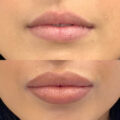

Collagen loss drives many age-related volume and contour changes that patients notice. Sculptra™ is often discussed as a biostimulatory option that supports gradual, durable outcomes through neocollagenesis. Clinicians field questions about timelines, session counts, and aftercare—areas that benefit from clear, realistic education. For high-level product specifications, see the Sculptra two-vial reference to align expectations around reconstitution and session planning.
Understanding how a collagen stimulator differs from traditional fillers helps reduce misunderstandings. Patients may expect immediate change when the product is actually designed to work progressively. Structured consultation, layered treatment planning, and careful follow-up support consistent results and patient satisfaction.
How Collagen Stimulation Differs from Volumizing Fillers
Poly-L-lactic acid (PLLA) is a biostimulatory material that prompts the body to build new collagen. Immediate post-injection fullness often reflects fluid and will settle within days. The perceptible change comes gradually over weeks as collagen deposition occurs around the microspheres.
Unlike hyaluronic acid fillers, which provide direct volume replacement, PLLA relies on the body’s response. This difference affects timelines, touchpoints, and photography schedules. Set expectations around staged treatments, typically spaced several weeks apart, with results that emerge steadily rather than instantly.
Patient Selection and Assessment
Ideal candidates have mild-to-moderate volume loss, reasonable collagen potential, and realistic expectations about progressive change. Patients with significant photodamage or low BMI may require more sessions or adjunctive strategies. Thorough facial analysis should include dynamic assessment, vectors, and tissue quality.
Discuss medical history that could affect wound healing, collagen formation, or inflammatory status. Review prior implants, scars, and autoimmune conditions. Align goals with achievable outcomes and clarify that final effects depend on individual biology and adherence to follow-up.
Treatment Planning: Areas, Sequencing, and Adjuncts
Plan conservative initiation with staged build-up. Many clinicians prioritize structure first, then address contour finesse. Consider complementing collagen stimulators with modalities that target skin quality, such as energy-based tightening or carefully selected Dermal Fillers, when appropriate for nuanced contouring.
Map injection points to respect neurovascular landmarks and vector-based lift. Document baseline photos, volume per region, and dilution factors in detail. Leverage standardized lighting and angles to illustrate gradual improvement across visits.
Reconstitution, Handling, and Technique Pearls
Reconstitution parameters should reflect clinical goals, tissue characteristics, and practitioner preference. Adequate hydration time supports uniform suspension and smoother delivery. Gentle agitation prior to injection helps maintain consistency; avoid excessive force that may increase clumping risk.
Use a layered approach that stays in recommended planes while avoiding areas with higher complication potential. Employ small aliquots per pass and wide distribution to reduce nodularity risk. Cannulas can be helpful in some regions to decrease trauma, though needle-based placement remains standard in others.
Sequencing and Timelines: Setting Realistic Expectations
Clarify that visible change typically begins after several weeks, not days. Many treatment courses involve multiple sessions, each building on prior collagen response. Encourage patients to wait the full interval before judging outcomes, as early impressions may reflect fluid shifts rather than new tissue.
Photography at baseline, mid-series, and several months post-series helps objectify progress. Use consistent camera settings, posture, and facial expression. Celebrate incremental wins while reinforcing the plan to reach the agreed clinical endpoint.
Safety Considerations and Risk Mitigation
Common transient effects include swelling, tenderness, and bruising. Counsel patients on expected timelines for resolution. Review red flags that warrant prompt contact, such as disproportionate pain, color change, or signs of vascular compromise.
To limit nodules, avoid product bolusing, concentrate on broad dispersion, and follow recommended massage protocols if part of your technique. Screen for recent procedures or infections. Strong documentation of lot numbers, sites, and volumes supports traceability and quality assurance.
Aftercare and Lifestyle Support
Post-treatment protocols often emphasize gentle massage, sun protection, and temporary activity modification. Advise patients to avoid intense heat or strenuous exercise immediately after sessions. Encourage hydration and balanced nutrition to support tissue health and recovery.
Integrate skin-quality strategies to complement volume restoration. Consider evidence-aligned routines addressing photodamage, barrier function, and collagen support. Reinforce that adherence matters; inconsistent aftercare can delay or blunt perceived outcomes.
Comparing Biostimulators and HA Fillers
Hyaluronic acid products provide immediate, reversible volume, making them ideal for specific contour corrections. Collagen stimulators deliver gradual structural improvement with longer maintenance intervals once results consolidate. Selection depends on patient priorities, anatomy, and tolerance for delayed gratification.
Educate patients about trade-offs, including timeline, reversibility, and touch-up cadence. Some plans combine modalities: stimulate foundational support first, then fine-tune with targeted volumizers. Clear sequencing helps conserve product and reduce overcorrection risk.
Documentation, Consent, and Follow-Up
Informed consent should address mechanism, expected timeline, session count, and potential adverse events. Detail reconstitution, lot numbers, and exact injection maps in the record. Capture standardized photography and subjective goal statements for context.
Set follow-up intervals that match collagen kinetics. Mid-series checkpoints allow adjustment of volume allocation and regional priorities. Final review several months after the last session can inform maintenance timing and adjunctive needs.
Practical Tips for Clinic Workflow
Standardize reconstitution and labeling to reduce variability. Build scheduling templates that respect rehydration windows and recovery needs. Stock appropriate cannula and needle options based on common treatment zones.
Train staff on patient education scripts covering timelines, aftercare, and what to expect between sessions. Use checklists for contraindications, photography, and post-care supplies. Consistent processes decrease errors and enhance patient confidence.
When to Reassess the Plan
Reevaluate if response lags behind expectations after adequate sessions and intervals. Consider factors such as significant weight loss, high aerobic activity, or sun exposure affecting collagen turnover. Discuss alternative or adjunctive approaches if goals remain unmet.
Transparency maintains trust. Acknowledge biologic variability and reframe timelines as needed. Document shared decisions and update care plans to reflect revised objectives.
Key Takeaways for Busy Practices
Sculptra™ requires careful selection, precise technique, and clear expectation-setting. Progressive outcomes can suit patients seeking subtle, natural-looking change over time. Consistent aftercare and scheduled reassessments are central to durable satisfaction.
Use standardized protocols, robust consent, and meticulous documentation to stabilize quality. Calibrate communication around timelines and trade-offs versus immediate volumizers. When indicated, combination approaches can harmonize structural support and contour refinement.
Medical disclaimer: This content is for informational purposes only and is not a substitute for professional medical advice.
For broader practice resources and clinical supplies, visit MedWholesaleSupplies. Thoughtful planning and clear education help teams integrate collagen stimulation strategies safely and effectively into routine care.